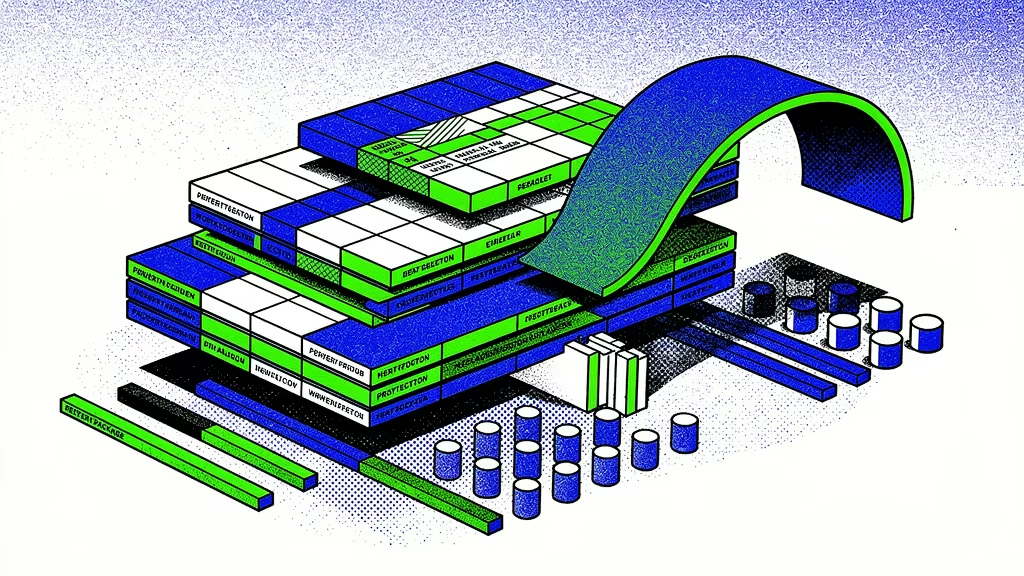

More Accurate Project Planning
Das Problem
In many organisations, resource planning in project management relies on individual knowledge, templates and manual estimates. Historical project data from project planning, time tracking and project controlling exists, but evaluating it for effort estimation, cost planning and capacity planning requires significant effort. At the same time, the causes of planning deviations often remain invisible in variance analysis, even though they are critical for new projects.
Hier setzen wir an
Artificial intelligence analyses historical projects, identifies comparable initiatives and makes typical effort patterns usable across work packages, sub-projects and entire projects. This creates data-driven resource planning for projects that combines semantic search, effort estimation and capacity planning. Planners receive robust reference values for project planning, resource demand and cost planning, and spot critical variance patterns earlier. This strengthens project controlling and makes experience from completed projects systematically available for new project requests.
Der wirtschaftliche Hebel
The economic lever is cost prevention. When artificial intelligence evaluates historical projects for effort estimation, resource planning and variance analysis, planning errors, unplanned replanning and the need for costly escalation during delivery are reduced. This helps avoid additional costs caused by over- or under-allocation, delayed adjustments and repeated manual project planning.
Der strategische Wert
- Knowledge retention: Experience from completed projects is fed back into project planning in a structured way and remains available for new initiatives even when staff change.
- Speed: Comparable projects, typical effort patterns and relevant influencing factors become available for resource planning much faster than through manual research across documents and time records.
- Competitive advantage: More precise effort estimation and more reliable capacity planning improve the quality of early project decisions and increase credibility with customers and internal stakeholders.

Intelligent Service Ticketing
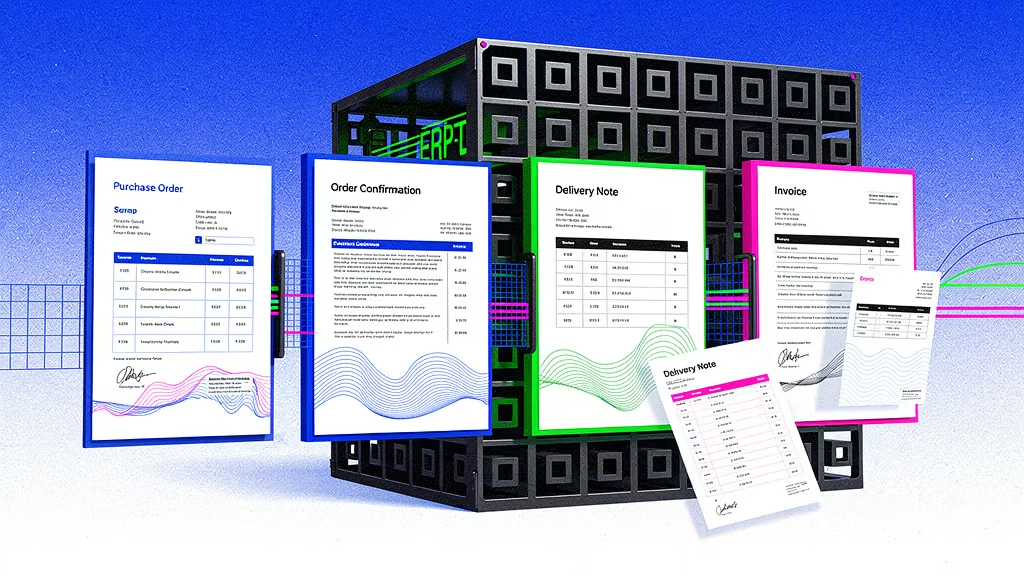

Intelligent Knowledge Search

Intelligent Master Data Validation
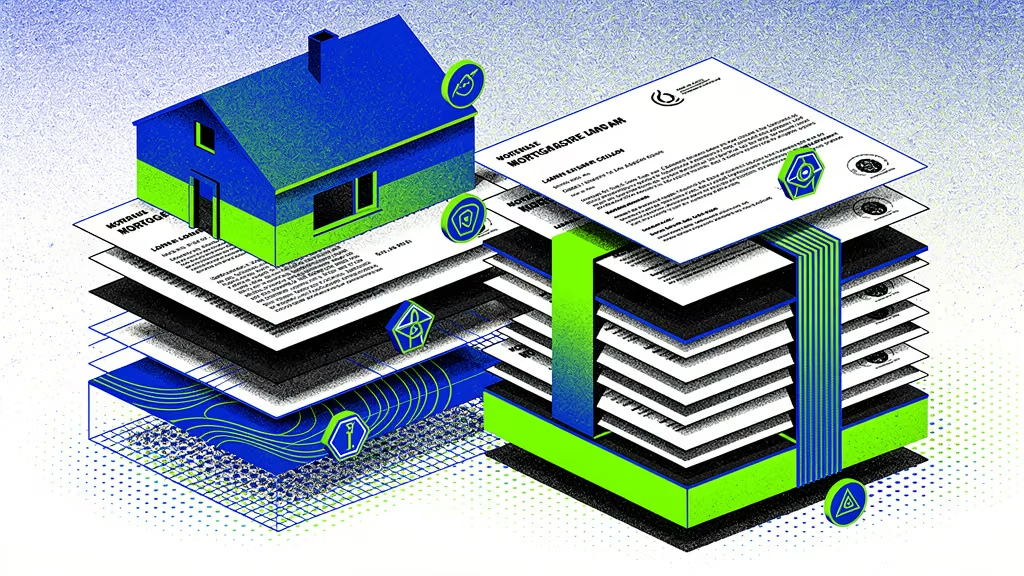
Optimise Lending Intelligently
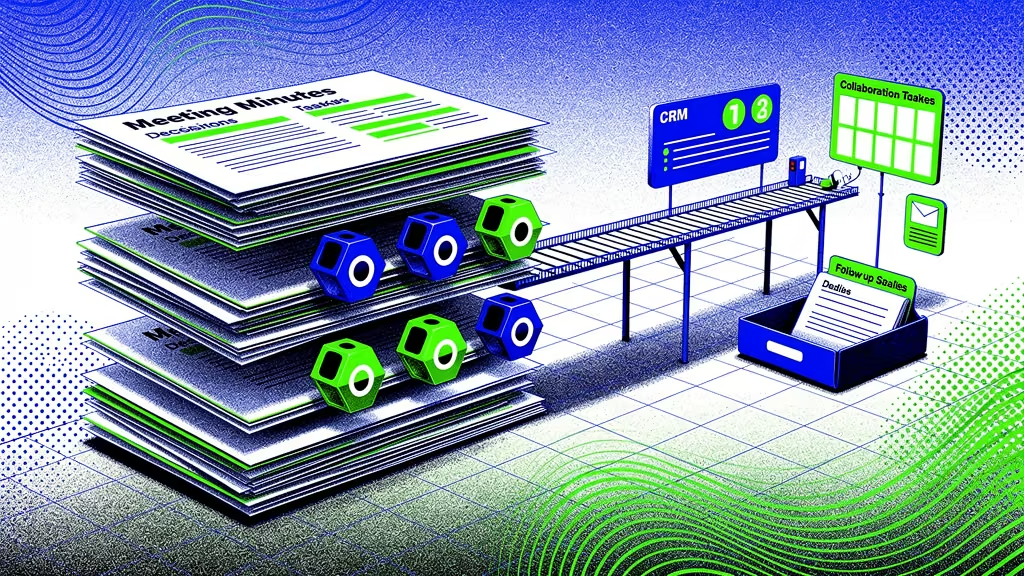
Sales Meeting Notes
Churn Analysis and Customer Reactivation
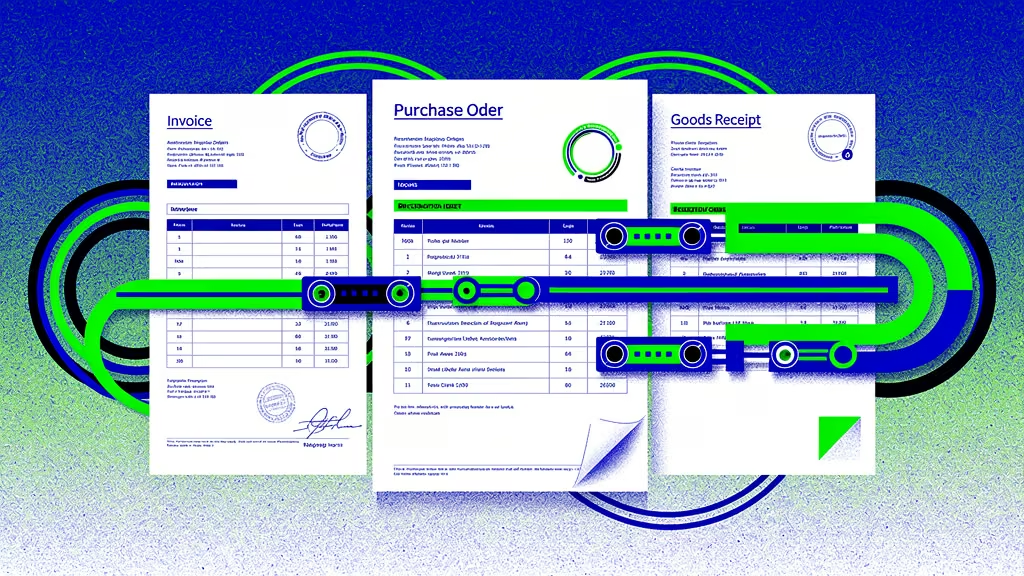
Automated Invoice Checking
Utility Bills Analysed Intelligently

Draft Statements Faster
Intelligent Demand Planning
Automated Audit Report Review
Precision Production Planning

Automate Complaint Management

Intelligent Workforce Scheduling
More Accurate Project Planning
Automate Timesheet Processing

Accurate Call Centre Staffing

Predictive Maintenance

Automated Talent Management
Passende Case Studies

700 Members, One AI
700+

Digital Strategy for 1.2 Million Members
100%

360° Customer View for Sales
2x
From AI Hesitation to an AI Roadmap
2

Price Prediction in Seconds
24h → 1 Sec.
Repair Costs in Seconds
93%
Data Strategy Instead of Data Silos
6 Months
50 Million Euros Through Data
~50 Mio. €

Expert Knowledge at the Touch of a Button
100


A Digital Future for the Energy Transition
7

AI Calculates Hail Damage
40.000+
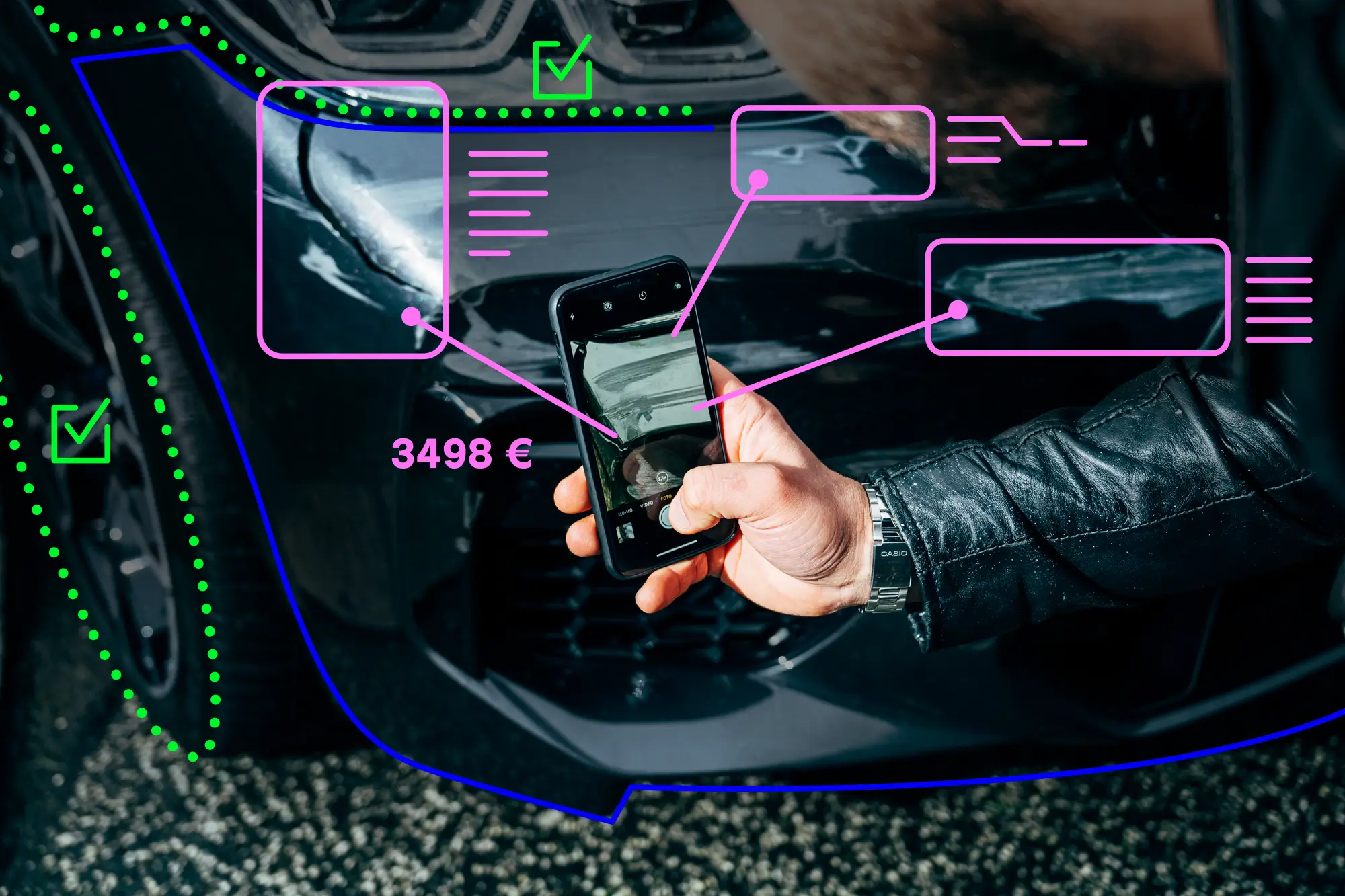
Computer Vision in Claims Management
93 %


Mit Daten Leben retten
1,3 Stunden


Remote Videobesichtigung von Kfz Schäden
100.000 Euro

Omnikanal im Versicherungsvertrieb
Ähnliche Herausforderungen
Intelligent Service Ticketing
Intelligent Knowledge Search
Intelligent Master Data Validation
Optimise Lending Intelligently
Sales Meeting Notes
Churn Analysis and Customer Reactivation
Automated Invoice Checking
Utility Bills Analysed Intelligently
Draft Statements Faster
Intelligent Demand Planning
Automated Audit Report Review
Precision Production Planning
Automate Complaint Management
Intelligent Workforce Scheduling
More Accurate Project Planning
Automate Timesheet Processing
Accurate Call Centre Staffing
Predictive Maintenance
Automated Talent Management
























Bereit wenn Sie es sind
Zukunft beginnt, wenn menschliche Intelligenz künstliche Intelligenz entwickelt. Der erste Schritt ist nur ein Klick.
Zukunft beginnt, wenn menschliche Intelligenz künstliche Intelligenz entwickelt. Der erste Schritt ist nur ein Klick.


KI Beratung
KI Entwicklung
KI Operations
Formate
Unternehmen
Rechtlichtes


