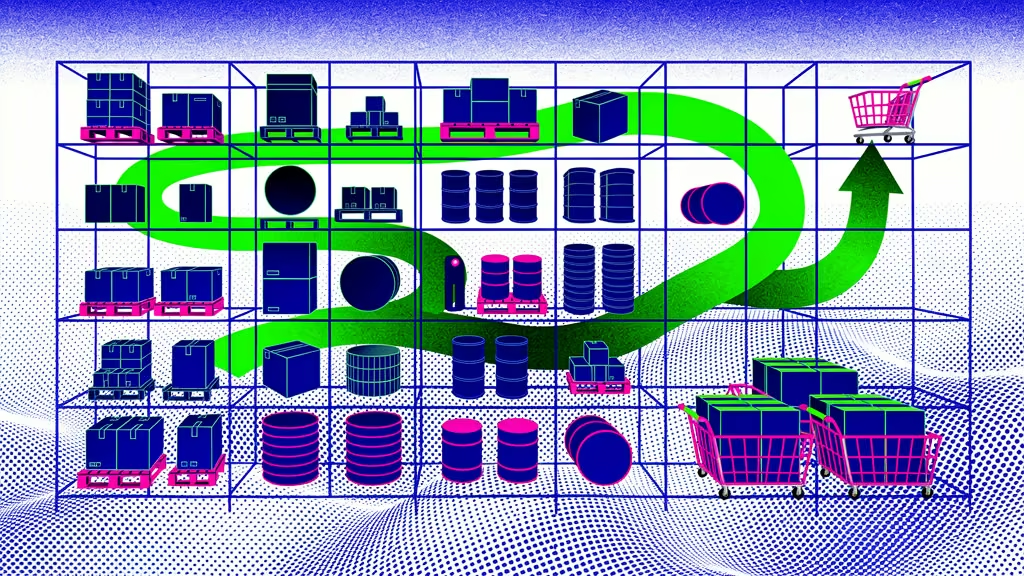

Intelligent Demand Planning
Das Problem
Demand planning in material procurement often relies on experience, manual requests and fragmented information. This creates unnecessary coordination effort in the procurement process, error-prone reordering and limited visibility into actual material demand and consumption.
Hier setzen wir an
Artificial intelligence analyses historical orders, consumption patterns and site-specific parameters to predict material demand with precision. An AI system supports demand planning with automated order proposals, detects anomalies in procurement and groups requirements into efficient baskets. This makes material procurement more predictable, reduces operational workload in purchasing and brings greater consistency to the procurement process. In addition, artificial intelligence creates a reliable basis for strategic procurement, benchmarking and forward-looking replenishment planning.
Der wirtschaftliche Hebel
The economic lever is cost savings. Using AI significantly reduces manual effort in demand planning, purchasing and reordering because order proposals, plausibility checks and basket consolidation are automated. This lowers ongoing personnel costs in the procurement process and avoids unnecessary spend caused by shortages, unplanned individual orders and inefficient order baskets.
Der strategische Wert
- Automation: Recurring tasks in demand planning, procurement and order preparation run largely automatically, so operational teams need far less manual intervention.
- Speed: Continuous analysis of consumption data and order histories accelerates planning and shortens the path from requirement to approved reorder.
- Competitive advantage: Organisations that manage material procurement and replenishment planning based on data can balance purchasing, supply reliability and cost control far better than competitors relying on manual processes.

Intelligent Service Ticketing
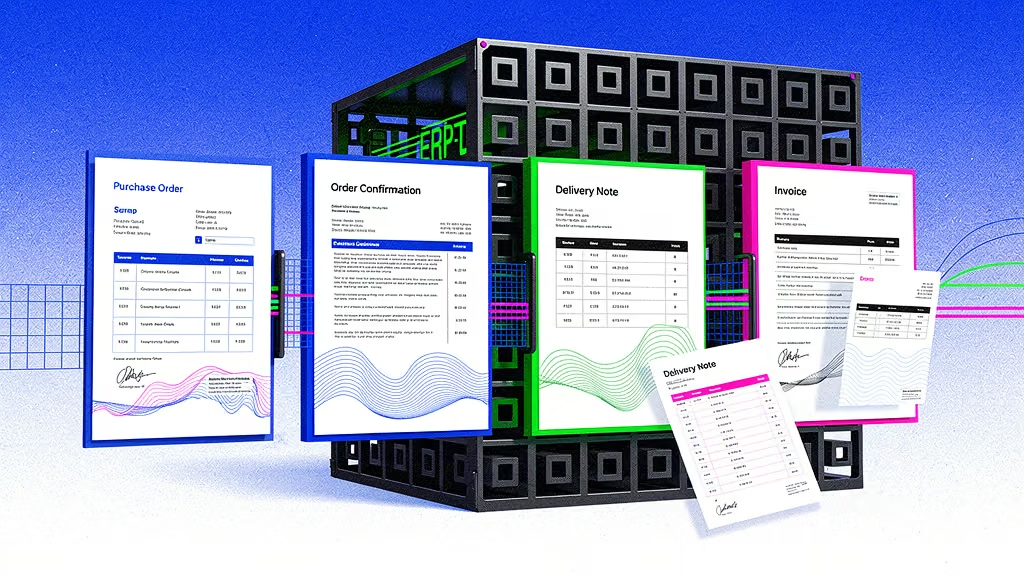

Intelligent Knowledge Search

Intelligent Master Data Validation
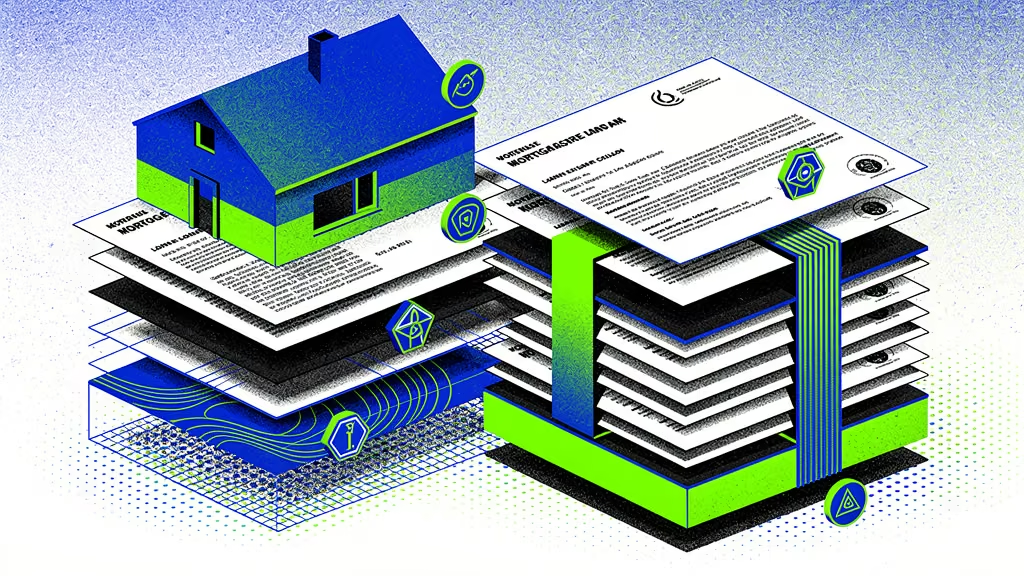
Optimise Lending Intelligently
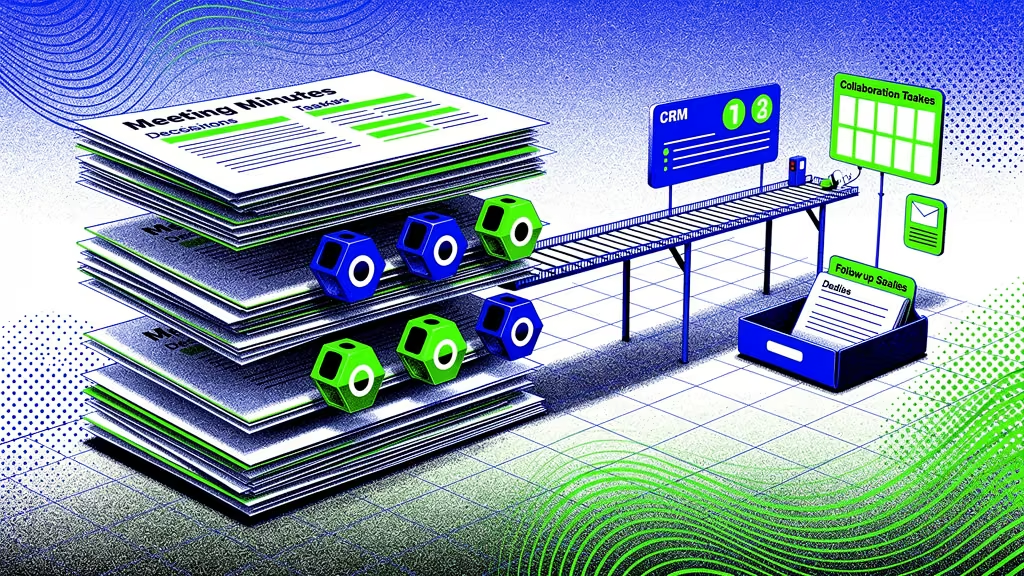
Sales Meeting Notes
Churn Analysis and Customer Reactivation
Automated Invoice Checking
Utility Bills Analysed Intelligently

Draft Statements Faster
Intelligent Demand Planning
Automated Audit Report Review
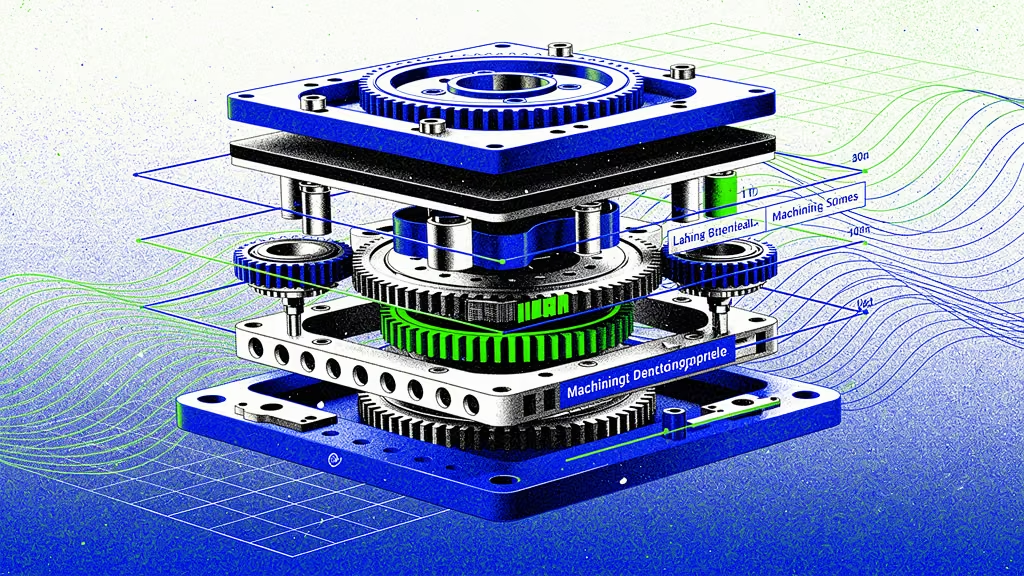
Precision Production Planning

Automate Complaint Management

Intelligent Workforce Scheduling

More Accurate Project Planning

Automate Timesheet Processing

Accurate Call Centre Staffing

Predictive Maintenance

Automated Talent Management
Passende Case Studies

700 Members, One AI
700+

Digital Strategy for 1.2 Million Members
100%

360° Customer View for Sales
2x
From AI Hesitation to an AI Roadmap
2

Price Prediction in Seconds
24h → 1 Sec.
Repair Costs in Seconds
93%
Data Strategy Instead of Data Silos
6 Months
50 Million Euros Through Data
~50 Mio. €


Expert Knowledge at the Touch of a Button
100


A Digital Future for the Energy Transition
7

AI Calculates Hail Damage
40.000+
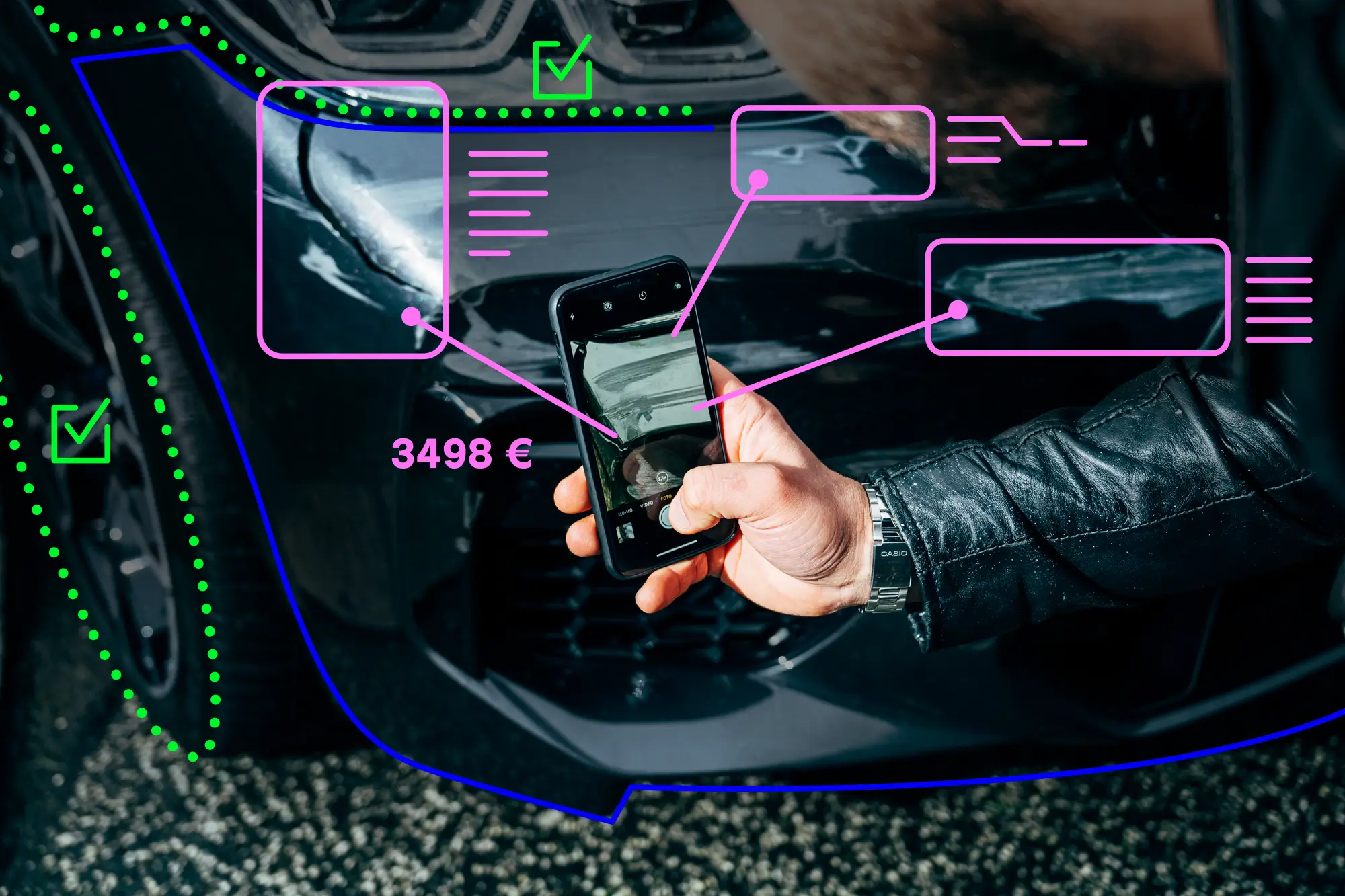
Computer Vision in Claims Management
93 %


Mit Daten Leben retten
1,3 Stunden


Remote Videobesichtigung von Kfz Schäden
100.000 Euro

Omnikanal im Versicherungsvertrieb
Ähnliche Herausforderungen
Intelligent Service Ticketing
Intelligent Knowledge Search
Intelligent Master Data Validation
Optimise Lending Intelligently
Sales Meeting Notes
Churn Analysis and Customer Reactivation
Automated Invoice Checking
Utility Bills Analysed Intelligently
Draft Statements Faster
Intelligent Demand Planning
Automated Audit Report Review
Precision Production Planning
Automate Complaint Management
Intelligent Workforce Scheduling
More Accurate Project Planning
Automate Timesheet Processing
Accurate Call Centre Staffing
Predictive Maintenance
Automated Talent Management
























Bereit wenn Sie es sind
Zukunft beginnt, wenn menschliche Intelligenz künstliche Intelligenz entwickelt. Der erste Schritt ist nur ein Klick.
Zukunft beginnt, wenn menschliche Intelligenz künstliche Intelligenz entwickelt. Der erste Schritt ist nur ein Klick.


KI Beratung
KI Entwicklung
KI Operations
Formate
Unternehmen
Rechtlichtes


